

Sports Connects our Past, Present and People
The first thing I noticed at Hammond Stadium was the feeling. A kind of quiet anticipation hummed beneath the palm trees and stretched across the outfield grass. It’s spring training, after all, home of the Minnesota Twins each February and March. For a lifelong fan seeing the stadium in person for the first time felt like a pilgrimage. I had arrived. And that was a week before pitchers and catchers reported.
Baseball has always carried that weight. It signals something deeper than the start of a season. It signals renewal. In the Midwest, where winters linger and skies stay gray a little too long, the return of baseball arrives alongside the first morning songbird. You don’t just hear it; you feel it. Hope, stretching its legs again.
For me, that hope has always been tied to the Twins. I’ve followed them for decades, even while living in the orbit of the Chicago Cubs, my second allegiance. It’s a dual loyalty that never feels conflicted, only enriched. Baseball is about belonging to something bigger.
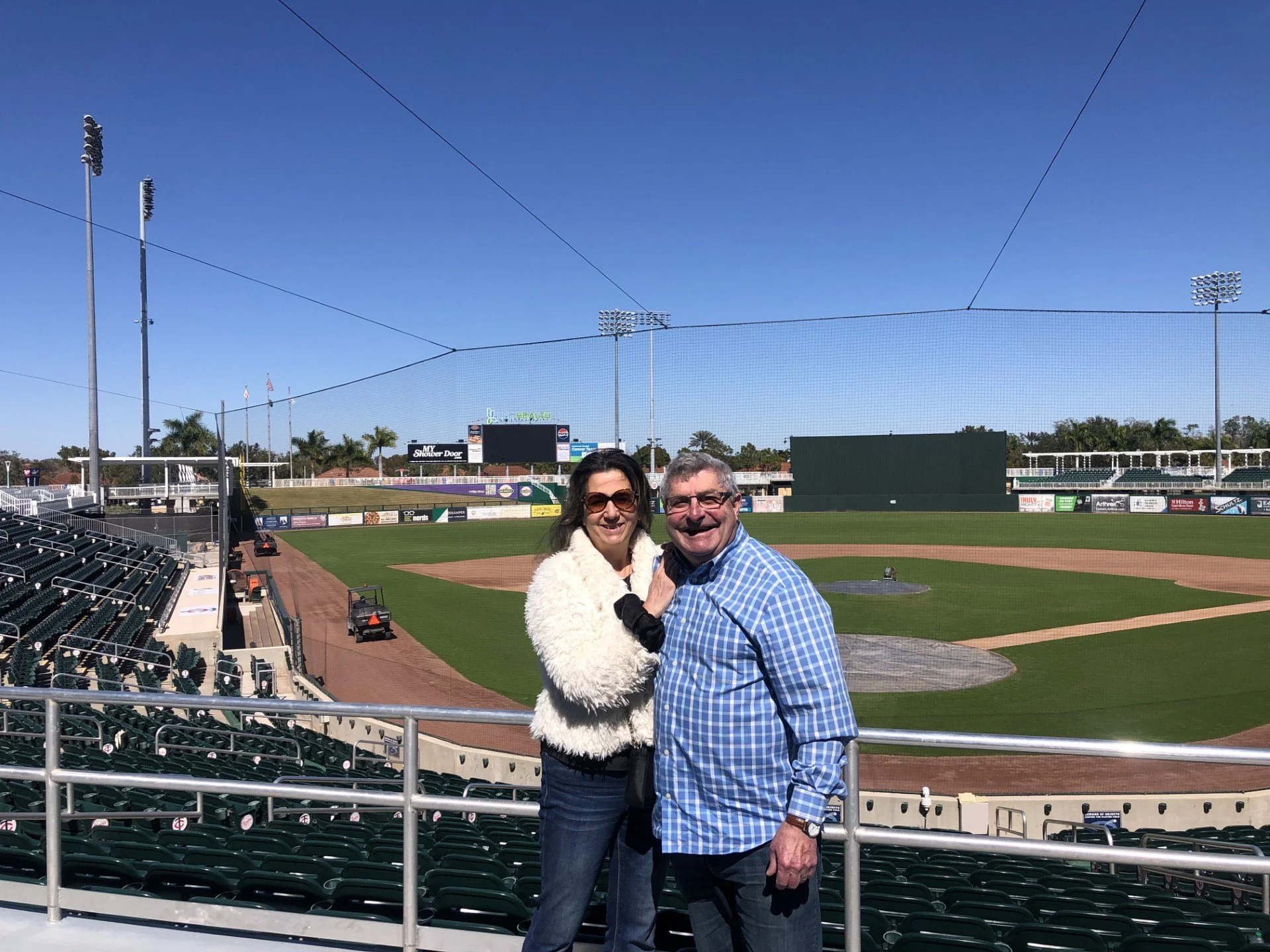
That sense of belonging is what makes sports matter. They gather us. Families, strangers and entire cities are drawn together by something as simple and improbable as a sphere leaving the hand of the hurler. You sit shoulder to shoulder with people you’ve never met, yet somehow you’re connected. Every pitch matters to all of you. Every swing carries shared consequence.
And in those moments, the routine of life fades just enough.
Sports offer an escape, but not the solitary kind you get from reading a book. This is communal escape. Emotional, unpredictable, loud. The highs are higher because they’re shared. The lows, somehow, are easier to carry for the same reason.
Maybe that’s why the memories, stick so vividly.
I can still see 1987 like it was yesterday. I was single then, all in, the kind of fan who would book a flight from Chicago to Minneapolis just to be part of a playoff atmosphere you couldn’t replicate on television. The energy in the Metrodome was beyond excitement. It was belief. The kind that builds inning by inning until it becomes something undeniable.
By 1991, life had changed. I was five weeks into marriage. And yet, some things hadn’t changed at all. I watched every game with the same intensity — clutching my chest, pacing, shouting at the television like the players might somehow hear me. My wife, Michele, must have wondered what she had signed up for. Nights didn’t end when the final out was recorded. They stretched on, adrenaline still humming, sleep impossible.
That’s the thing about sports. Emotions don’t switch off. When your team wins it all, it feels like a milestone in your own life. A marker of where you were, who you were with, what mattered.
It’s not unlike what we saw this year when both the United States women's and men's national ice hockey teams capturing gold on the Olympic stage. For the players, it’s the pinnacle. A lifetime of work condensed into a single outcome. But for fans, it’s something enduring. A shared victory that lingers far beyond the medal ceremony.
Because in sports, we see ourselves.
We remember being kids, playing without pressure, learning how to win and how to lose. We recognize the discipline, the setbacks and the resilience. The game mirrors life in ways we don’t always notice until we’re older, looking back, connecting the dots.
That’s why it stays with us.
That’s why a visit to a spring training stadium in Florida can feel like stepping into a lifelong story. That’s why a random game in July can carry decades of meaning. That’s why we keep showing up as fans.
This July, my family and I will be sitting in the bleachers at Wrigley Field. The Twins will face the Cubs. It is my American League team against my National League team. My past and present, sharing the same field.
It’s a series I can’t lose.
And maybe that is the best part of sports. The wins or championships are certainly memorable, but it’s the way they weave themselves into our lives quietly, steadily and over time until one day you realize they’ve been there all along, keeping score not just of games, but of moments.